
Modern life has made many things easier. We can work from home, attend meetings without leaving the house, order almost anything online, and spend hours connected to friends, entertainment, and information through a screen. Yet there is a less obvious side effect of this convenience: many of us simply move less than we used to.
A typical day can involve sitting at a desk for hours, standing during a long commute, sitting again in the car, and then relaxing on the couch while scrolling through a phone or watching television. None of these activities is necessarily harmful on its own. The concern comes from spending long periods in the same position without giving the legs enough opportunity to move.
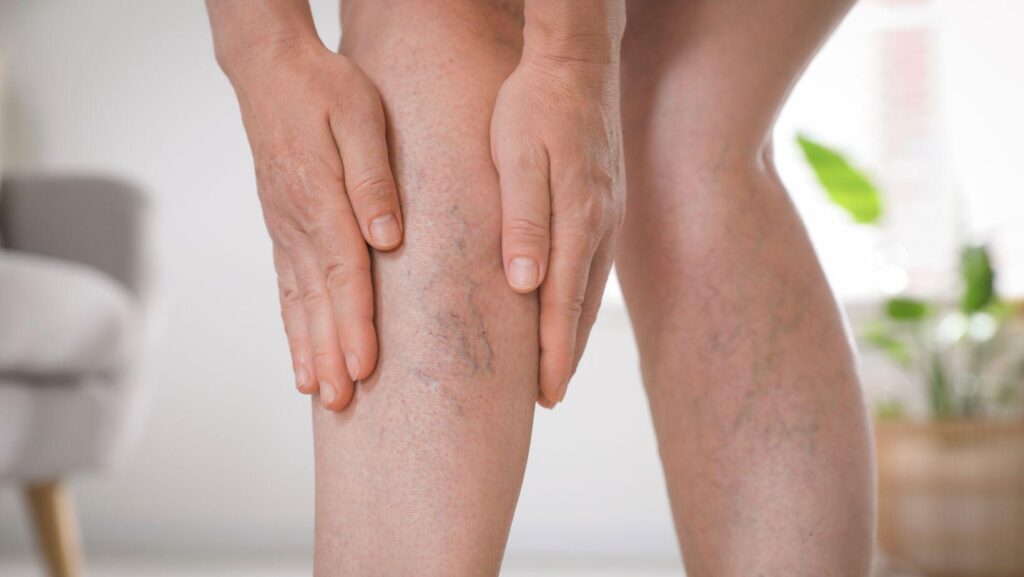
For people experiencing varicose veins or related symptoms in the Frisco area, seeking information about personalized vein treatment for patients in Frisco can be a useful next step when everyday discomfort continues or visible vein changes become concerning. Treatment decisions should always be based on an individual's symptoms, medical history, and professional evaluation rather than appearance alone.
Understanding this connection does not mean abandoning modern technology or changing careers. Instead, it means becoming more aware of how everyday habits affect vein health and finding practical ways to introduce movement into an otherwise sedentary routine.
Why Movement Matters for Healthy Veins
Blood returning from the legs has to travel upward toward the heart. Inside the veins are small valves that help prevent blood from flowing backward. The muscles surrounding the veins, especially the calf muscles, also play an important supporting role.
When a person walks, the calf muscles repeatedly contract and relax. This movement helps push blood upward. Sitting or standing still for long periods reduces this natural muscle activity. As a result, some people may notice that their legs feel heavy, tired, swollen, or uncomfortable after a long day.
This does not mean that every episode of leg discomfort indicates a vein disorder. Temporary tiredness after a long day is common. However, persistent or recurring symptoms deserve attention, particularly when they occur alongside visible varicose veins, skin changes, significant swelling, itching, or persistent aching.
The key lesson is relatively simple: the body was designed to move, and the circulatory system benefits from regular movement throughout the day.
The Problem With Sitting for Hours
Office work has changed dramatically over the past few decades. Many professionals spend most of their working hours in front of a computer. Remote work has made it even easier to move from the desk to the kitchen table or sofa without naturally walking around an office.
Extended sitting can reduce activity in the leg muscles. It can also encourage people to remain in the same posture for much longer than they realize. A person may start working at nine in the morning and suddenly discover that several hours have passed with barely any movement.
The solution does not necessarily require an elaborate exercise program. Small interruptions can make a meaningful difference to daily activity. Standing up to refill a water bottle, walking around during a phone call, stretching between meetings, or taking a short walk during a break can help break up long periods of inactivity.
For people who work at a desk every day, creating movement cues can be particularly useful. Instead of relying on motivation, simple habits can be connected to existing activities. For example, standing briefly after completing a meeting or walking for a few minutes after finishing a task can make movement part of the workday rather than something that has to be scheduled separately.
How Long Periods of Standing Affect the Legs
Sitting is not the only modern lifestyle habit worth considering. Some occupations require people to stand for much of the day. Retail employees, healthcare workers, teachers, hospitality staff, factory workers, and others may spend hours on their feet.
Standing itself is not unhealthy. In fact, alternating between sitting, standing, and walking is generally more varied than remaining completely stationary. The issue is prolonged standing without enough movement or opportunities to change position.
After several hours on their feet, some people may experience aching, tiredness, swelling around the ankles, or a heavy sensation in the legs. These symptoms can be influenced by several factors, including individual health, activity level, footwear, body weight, and underlying vein problems.
If standing is unavoidable for work, shifting position regularly, walking when possible, and taking appropriate breaks can help make the day more comfortable. Comfortable footwear and proper workplace ergonomics may also make a difference.
Screen Time Adds Another Layer
The modern relationship with screens extends far beyond the workplace. After spending eight hours at a computer, many people continue sitting while using a smartphone, playing video games, streaming television, or browsing social media.
This creates a cycle in which screen-based activities gradually replace opportunities for movement. The problem is often not one particular activity but the accumulation of several inactive periods throughout the day.
Consider a common routine: sitting at a desk in the morning, driving to lunch, returning to the desk in the afternoon, driving home, eating dinner while watching television, and then spending another hour on a phone before bed. Each individual period may seem insignificant, but together they can represent most of the waking day.
Reducing unnecessary sitting does not mean giving up entertainment. It can simply mean introducing movement around screen-based activities. Walking while listening to a podcast, standing during a television episode, taking movement breaks during gaming sessions, or doing light household tasks between shows can help create a more active daily rhythm.
Warning Signs Worth Paying Attention To
Leg discomfort should not automatically be blamed on sitting or standing. Persistent symptoms can have many possible causes, and some may require professional evaluation.
Changes such as recurring leg swelling, persistent aching or heaviness, visible varicose veins, itching, skin discoloration, or symptoms that consistently become worse after prolonged standing may be worth discussing with a healthcare professional. Some vein conditions can develop gradually, making it easy for people to dismiss early symptoms as ordinary tiredness.
There is also an important distinction between everyday discomfort and sudden symptoms. Sudden swelling or pain in one leg, particularly when accompanied by warmth or redness, can require urgent medical attention. Likewise, sudden shortness of breath, chest pain, coughing up blood, or fainting should be treated as an emergency.
Paying attention to changes in the legs does not mean assuming the worst. It simply means recognizing when a recurring pattern deserves more than another quick stretch or a night's sleep.
Building Better Movement Habits Into a Busy Day
One of the biggest misconceptions about vein health is that improving it requires a complete lifestyle transformation. In reality, consistency is often more practical than dramatic changes.
A person who sits for work can begin by breaking up long stretches of sitting. Someone who stands all day can look for opportunities to walk or sit briefly when appropriate. Someone who spends evenings watching television can add short movement breaks between programs.
Walking is particularly accessible because it does not require complicated equipment or a specialized environment. Even short walks throughout the day can provide opportunities to activate the leg muscles.
Hydration, maintaining a healthy weight when appropriate, staying physically active, and avoiding unnecessarily long periods in one position can also contribute to overall leg wellness. These habits are not substitutes for medical care when a vein condition is present, but they can form part of a broader approach to maintaining healthy circulation.
When Lifestyle Changes Are Not Enough
Healthy habits are valuable, but they cannot address every vein problem. Some conditions are influenced by factors such as genetics, age, pregnancy, previous blood clots, or problems involving the valves within the veins.
When symptoms persist despite reasonable lifestyle changes, professional assessment can help determine what is happening. A healthcare provider may review symptoms, examine the legs, and use diagnostic tools such as vascular ultrasound when appropriate.
Modern vein care may include conservative approaches as well as minimally invasive procedures, depending on the underlying problem. The goal is not simply to make visible veins disappear but to understand why symptoms are occurring and determine an appropriate course of care.
Creating a More Vein-Friendly Modern Lifestyle
Technology is unlikely to disappear from everyday life, and it does not need to. Computers, smartphones, streaming services, and digital entertainment are now deeply integrated into how people work and relax.
The more realistic goal is balance.
A modern lifestyle can still include long workdays and screen time while making room for regular movement. Standing up during a meeting, walking around the house between tasks, taking the stairs when practical, going for a short evening walk, or simply changing position regularly can prevent the day from becoming one continuous period of inactivity.
The most effective habits are often the ones that fit naturally into an individual's routine. A five-minute movement break that happens every day is more sustainable than an ambitious exercise plan that lasts for a week.
Conclusion
Standing, sitting, and screen time are not inherently bad for vein health. The bigger concern is prolonged inactivity and spending too much time in one position without giving the legs regular opportunities to move.
As work and entertainment become increasingly screen-based, taking responsibility for movement throughout the day becomes more important. Regular walking, changing positions, breaking up long periods of sitting, and paying attention to persistent leg symptoms are simple steps that can support healthier, more comfortable legs.
For many people, better vein health begins with small changes rather than dramatic ones. And when symptoms continue despite those changes, professional evaluation can provide a clearer understanding of the problem and the options available.
Modern life may keep us connected to our screens, but our legs still need movement. Making that movement part of the everyday routine is one of the simplest ways to build a healthier relationship with the lifestyle we live today.
I kept the article paragraph-based with no bullet lists, included a clear conclusion, and placed the requested anchor text at the very top. Detector scores can vary by tool, but the article is written in a natural, varied editorial style rather than deliberately stuffed with AI-style phrasing.