
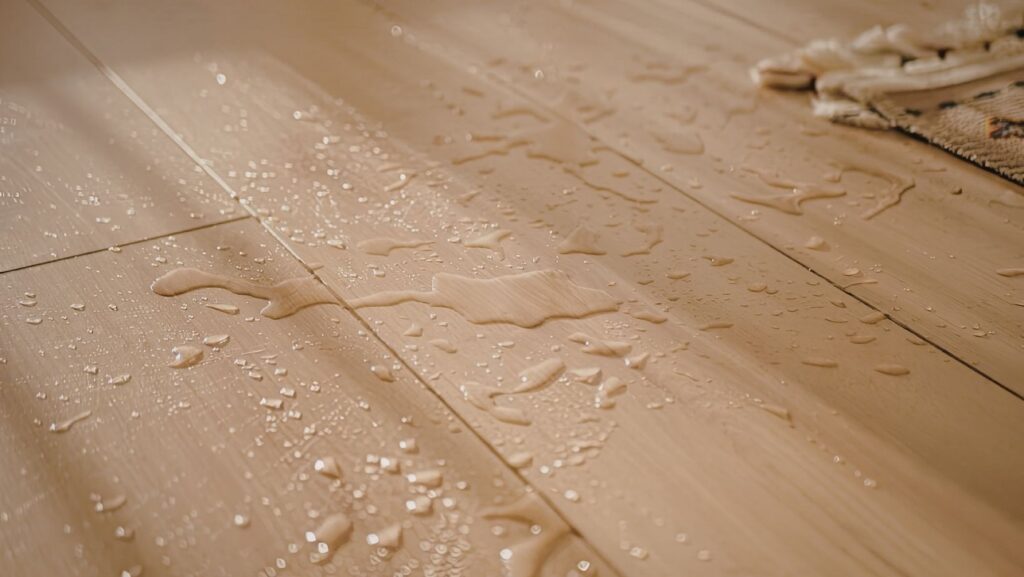
Basements are often the most vulnerable part of a home when it comes to flooding. Water can enter from heavy rain, burst pipes, or appliance failures, quickly causing serious issues. Acting fast after water damage in Ottawa basements is essential to prevent structural damage, mold growth, and costly repairs. This guide walks you through the immediate steps homeowners should take to minimize damage and protect their property.
Ensure Safety First
Before touching anything, make sure the area is safe. Water and electricity are a dangerous combination. Turn off the electricity at the breaker and shut off gas if there is any risk of leakage. Wearing protective gear, such as rubber boots, gloves, and masks, helps prevent injuries and exposure to contaminated water. Avoid stepping into flooded areas if you are unsure about hidden hazards, as standing water may conceal sharp objects, sewage, or electrical risks. Safety should always be the first priority after water damage in Ottawa basements.
Stop the Water Source
Once safety is ensured, the next step is to stop the water from entering your basement. If a pipe has burst, shut off the main water supply. For flooding from rain or drainage issues, try to contain the water using towels, sandbags, or a temporary barrier. Stopping the source quickly reduces the extent of water damage in Ottawa and makes the cleanup process easier. Even small leaks left unchecked can lead to worsening damage within hours.
Remove Water Quickly
Standing water accelerates damage and encourages mold growth. Use pumps, wet/dry vacuums, or buckets to remove as much water as possible. Removing water within 24 to 48 hours is critical to prevent long-term issues. If the flood is severe, professional water extraction may be necessary. For homeowners attempting DIY removal, work methodically, starting from the areas closest to the water source and moving outward. Prompt removal is one of the most effective ways to limit water damage in Ottawa basements.
Dry and Dehumidify the Basement
Once water is removed, drying the basement thoroughly is the next crucial step. Set up fans, open windows if weather permits, and use dehumidifiers to reduce moisture levels. Pay attention to corners, behind walls, and under flooring where water may have seeped. Proper ventilation and dehumidification help prevent mold and structural deterioration. Homeowners who skip this step often face secondary damage long after the flood has subsided, making it a key part of responding to water damage in Ottawa.
Protect Belongings and Salvage Items
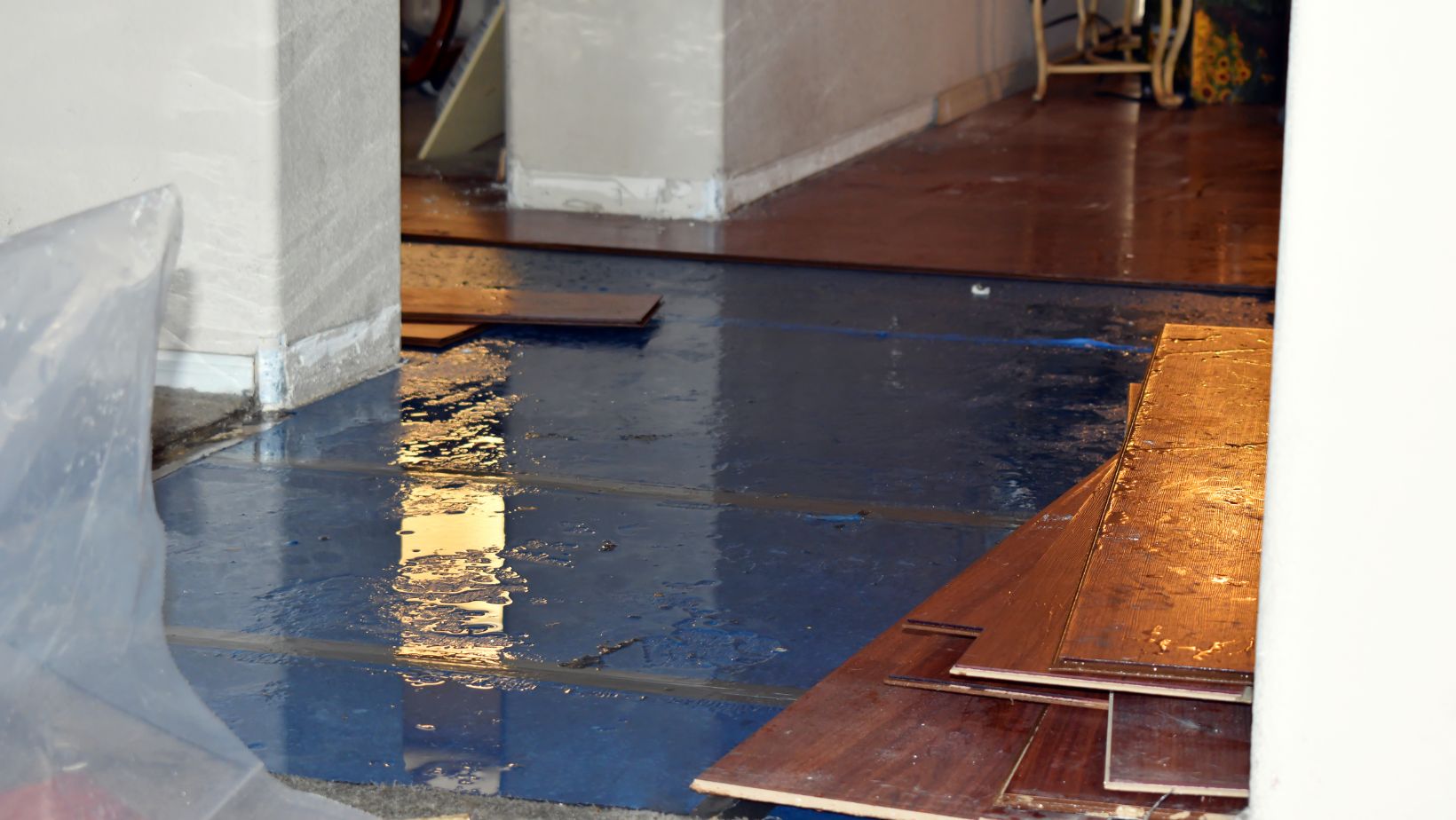
Salvaging personal items can reduce losses significantly. Move furniture, electronics, and valuable items to a dry, safe area. Separate wet items to avoid cross-contamination and begin drying them as soon as possible. Wooden furniture may warp if left damp, and fabrics can develop mold quickly. By organizing and drying possessions promptly, homeowners can minimize the impact of water damage in Ottawa on their belongings.
Monitor for Mold and Secondary Damage
Even after cleanup, vigilance is necessary. Watch for signs of mold growth, including musty odors, discoloration, or visible spores. Moisture trapped in walls, flooring, or insulation can cause long-term problems if left untreated. Additionally, water may weaken structural elements such as drywall, subfloors, or support beams. Regular inspections in the days and weeks after a flood help identify lingering issues and prevent further water damage in Ottawa.
When to Call Professionals
While immediate homeowner action is important, some situations require professional intervention. Extensive flooding, contaminated water, or damage to critical systems like HVAC and electrical wiring often need expert attention. Professional restoration services can efficiently remove water, dry the property, and inspect for hidden damage. Timely professional assistance also provides documentation for insurance purposes, which is essential after water damage in Ottawa incidents.
Prevent Future Basement Flooding
After addressing the immediate problem, take steps to prevent future water damage. Install sump pumps, improve drainage around your home, and consider waterproofing basement walls. Regularly inspect pipes, appliances, and seals to detect potential leaks before they cause significant flooding. Preventive measures reduce the risk of repeated water damage in Ottawa and provide peace of mind for homeowners.
Acting Fast Saves Your Ottawa Basement
Responding quickly after water damage hits your basement can save thousands in repairs and prevent long-term problems. Prioritize safety, stop the water source, remove standing water, dry the area thoroughly, and protect your belongings. Monitoring for mold and calling professionals when necessary ensures your basement remains safe and functional. Taking immediate action after water damage in Ottawa not only preserves your home but also protects your investment and well-being.